
although the world is full of suffering, it is also full of the overcoming of it - helen keller
hi, i’m alissa
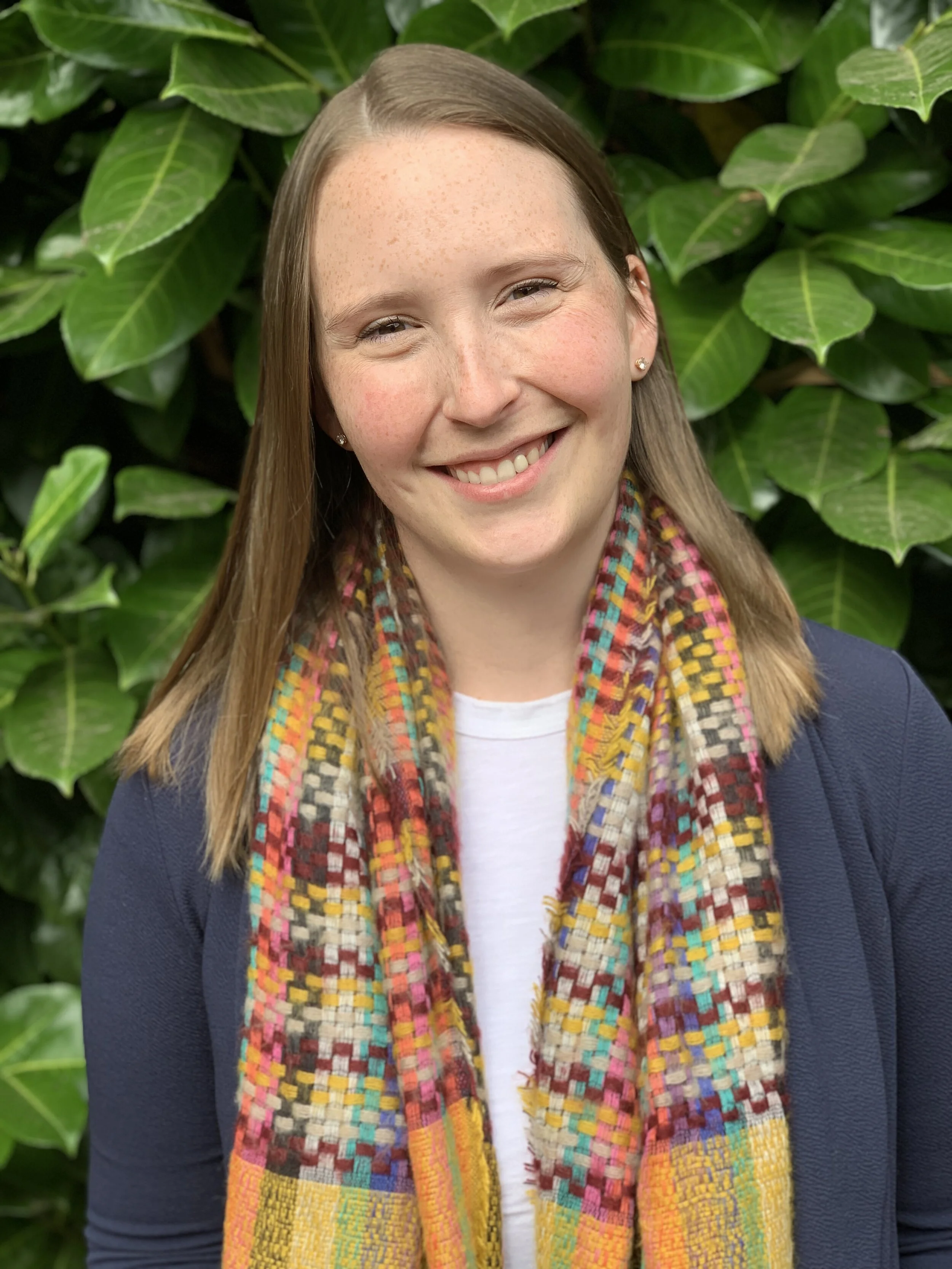
I have been a practicing social worker since 2012 and independently licensed since 2015. I am licensed to provide teletherapy in the following states: Oregon (Lic#: 12809), Washington (Lic#:61273406) and California (Lic#:68172)
Welcome to my therapy practice
People come to therapy for all kinds of reasons. Sometimes it’s because life has thrown a major curveball at us or we’ve undergone a big transition, like changing jobs, starting school, having a child, losing a loved one, going through a break-up or divorce, just to name a few. Sometimes things are going well on the surface in our lives, but inside we are suffering emotionally, perhaps due to anxiety, depression, trauma, or burnout. Like a duck floating on a pond, we look like we’re serenely floating through life while paddling furiously underneath. Speaking aloud in a compassionate, accepting, and nonjudgemental therapeutic space can help us make sense of the tangle of emotions and thoughts we’ve been trying to deal with on our own.
Whatever has brought you to therapy, the most important thing will be making sure you and I are a good fit to work together. Whether you are considering therapy for the first time or continuing your therapy journey, I am here to provide you with a supportive and compassionate space to do this important and challenging self-work.
what i can help with
In addition to the issues below, clients in therapy with me have also found success in addressing self-criticism/perfectionism, job burnout/compassion fatigue, and building assertiveness skills/boundary setting. I also work well with family members who have a loved one with a mental health or substance use disorder. If you’re not sure exactly what you need, you just know you need help, then reach out for a free phone consultation and let’s talk.
ANXIETY + DEPRESSION: THIEVES OF JOY
Our brains are problem-solving machines; that’s just what they evolved to do. Our minds worry, and worry, and worry, all in an effort to try and solve future problems. Our minds also review the past over and over again, in effort to try and protect us from similar situations in the future. Sometimes, anxiety can be adaptive and helpful, but maladaptive anxiety and its close cousin depression often leave us feeling paralyzed and unable to engage with the things in life we care about most. In therapy we learn to identify and understand our anxious and depressive thoughts, and create a mindful space for them. We also work on skills that let you, no matter how much your anxious mind is chattering away, make the kind of choices you want to make.
TRAUMA: DANCE IN THE DARK, THEN MOVE TOWARDS THE LIght
When disturbing and traumatic things happen in our lives, it can be incredibly difficult for our brains and bodies to process these events like they do with our every day experiences. Traumatic memories are “sticky” and can result in a number of symptoms like flashbacks, nightmare, hyper vigilance, sleep disturbances, or even things like poor focus or difficulty in relationships. A trauma could be considered one major events, or a series of much smaller events that occur over time. No matter what it consists of, trauma is something that we can gently engage with, understand, and then release as we move forward.
ALCOHOL: IT’S A SPECTRUM
Are you questioning your relationship to alcohol? Do you notice yourself drinking more during times of stress? Do you find that you don’t consider an event fun, enjoyable or relaxing unless alcohol is involved? Using alcohol is highly normalized and pervasive in our culture. I offer you a non-judgmental space to explore the role of alcohol in your life and decide if it’s time to make a change. Alcohol use occurs along a spectrum; problematic use looks different for different people. You certainly don’t have to hit “rock bottom” or wait for things to be “bad enough” to decide you’d like to make a change.
how We work
Therapy is about reducing your suffering and helping you take effective, positive action in your life. It is an active and collaborative conversation in the context of a trusting relationship between you and I. During therapy I may offer different techniques and suggestions to help you reach your goals. Described below are the therapy modalities I use most often.
ACT + MINDFULNESS
Acceptance and Commitment Therapy (ACT for short) uses acceptance and mindfulness techniques in combination with behavioral changes to help people live meaningful lives based on their personal values. ACT skills are designed to increase your psychological flexibility - meaning you become better able to deal with change while living fully in the present moment. ACT skills can help you deal with distressing thoughts and emotions, improve your problem-solving capabilities, and identify what is truly important and meaningful to you.
EMDR (Eye movement desensitization and reprocessing)
EMDR is an evidence-based treatment protocol often used for the treatment trauma symptoms, though it can also be very helpful in the treatment of anxiety and other mental health symptoms. In EMDR, we use a highly structured approach to access difficult or disturbing memories and experiences that the brain has struggled to process, then use bilateral stimulation to kick-start the brain’s own self-healing process. Bilateral stimulation can include back-and-forth eye movements, holding tappers that alternate vibrations between each hand, alternating audio tones, or self-administered alternating taps on shoulders or knees. I have found EMDR to be an incredible tool both for helping people process and heal from trauma, and also for helping people get “unstuck” around issues that they may have been trying to address through talk therapy for a long time.
HARM REDUCTION
Therapy can be a useful tool in reducing behaviors that may no longer be serving us, such as using alcohol or other substances, or even more sneakily self-destructive behaviors such as too much time scrolling on our phones. I take a harm reduction approach and do not subscribe to the view that you must become abstinent in order for your therapy to be considered a success. Cutting back or modifying alcohol or other substance use can have a hugely positive impact on your life. The motivational interviewing techniques I use help us track your readiness for change, and also center you as the expert of your own experience.
the practical details
I offer virtual appointments across Oregon, Washington, and California, and in-person appointments at my office in Lake Oswego. I am also happy to offer a mix of in-person and virtual appointments to accomodate your schedule and needs.
Insurances I accept
If you are not using insurance or using out-of-network benefits, my session fees are $165 for the initial appointment, $140 for ongoing 50-55 minutes, $190 for 90 minute EMDR sessions.
United Healthcare (UMR)
Aetna
Blue Cross Blue Shield
Curative Health Plan
Out-of-network (can provide superbill)
Hours of Operation
Tuesdays 9am-2pm
Wednesdays 12pm-5pm
Thursdays 9am-2pm
Fridays 9am-2pm
Currently all appointments are virtual; in-person appointments will be offered in January 2027
location
5200 Meadows Road Suite 150
Lake Oswego, OR 97035
Parking available, near bus route 97
ADA Accesible
ready? REach out for a free consultation
Please complete the following contact form and I will reach out to you to schedule a free phone consultation.